* Website Under Construction *

menu
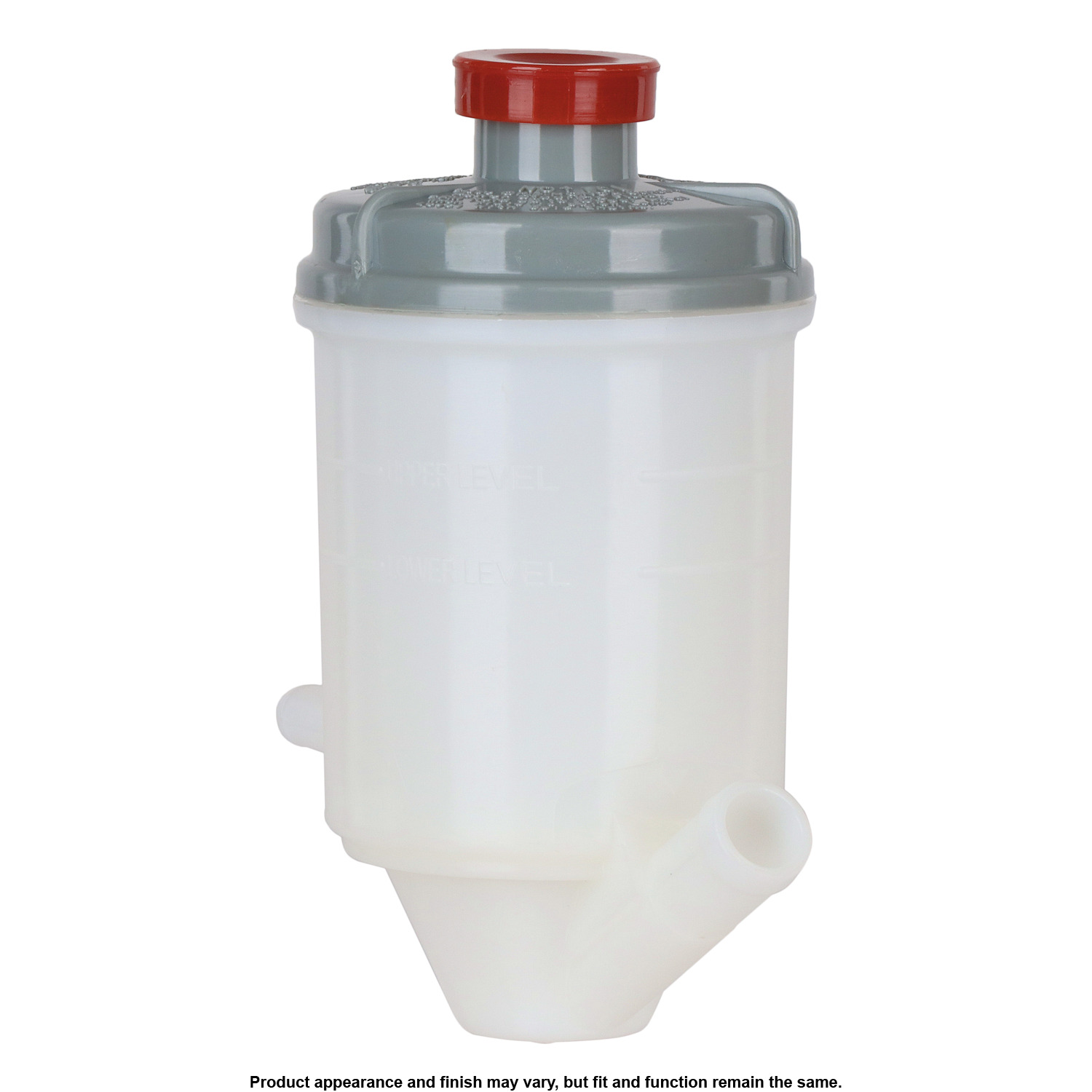
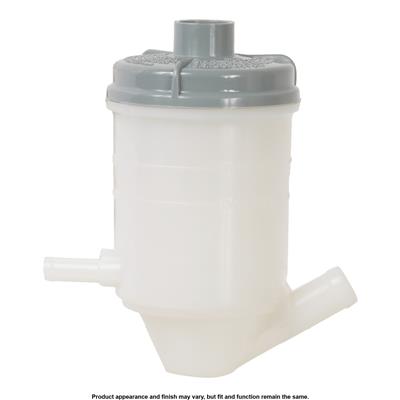
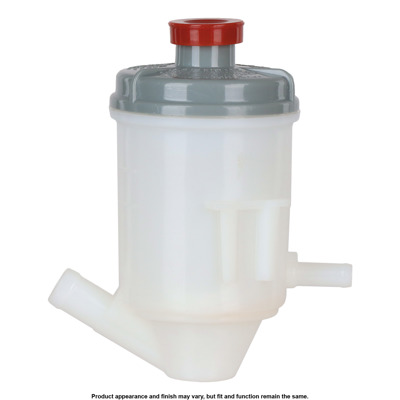
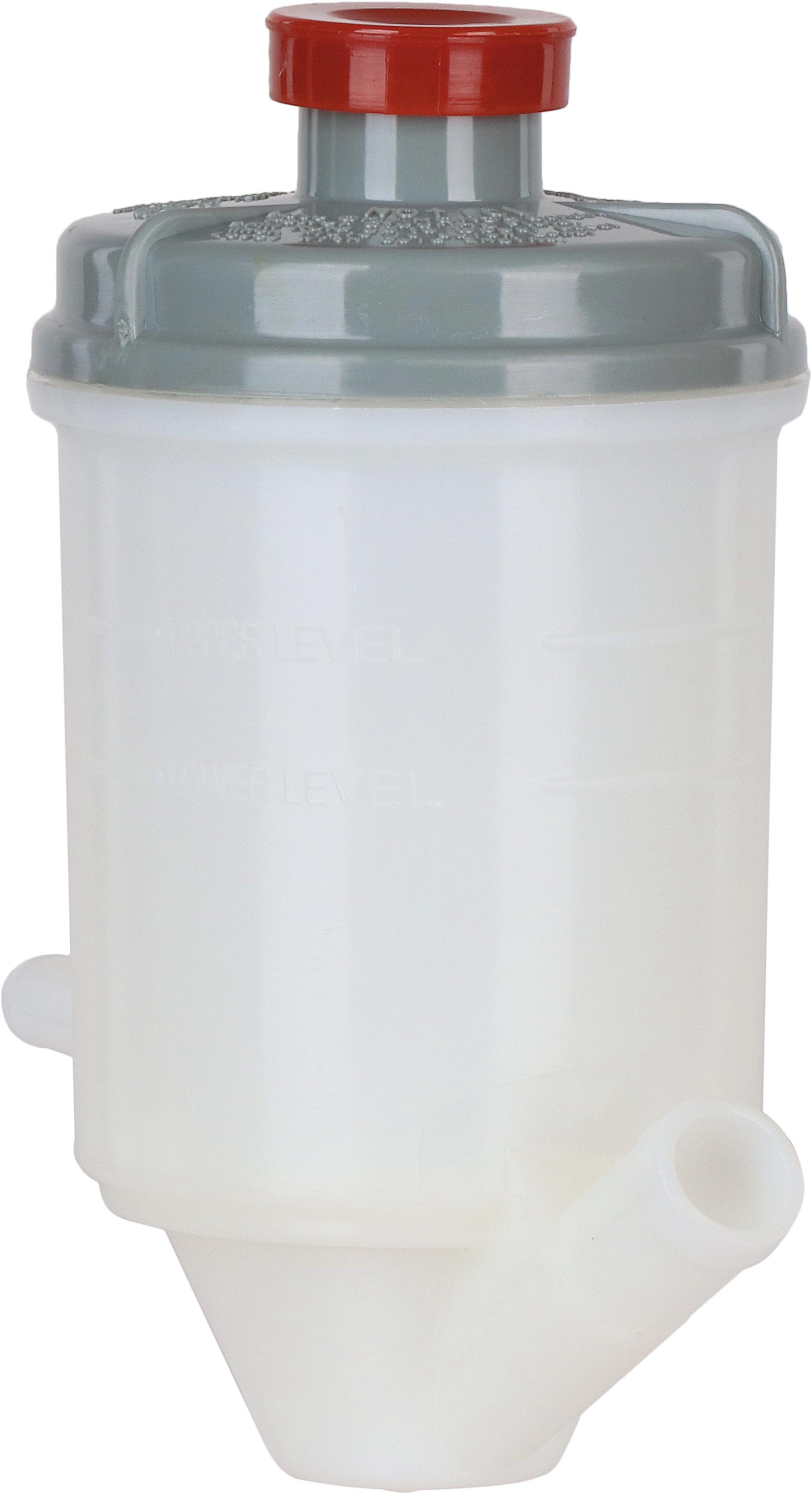

| FAQ_Q4 | Where is the power steering pump reservoir typically located on a vehicle? |
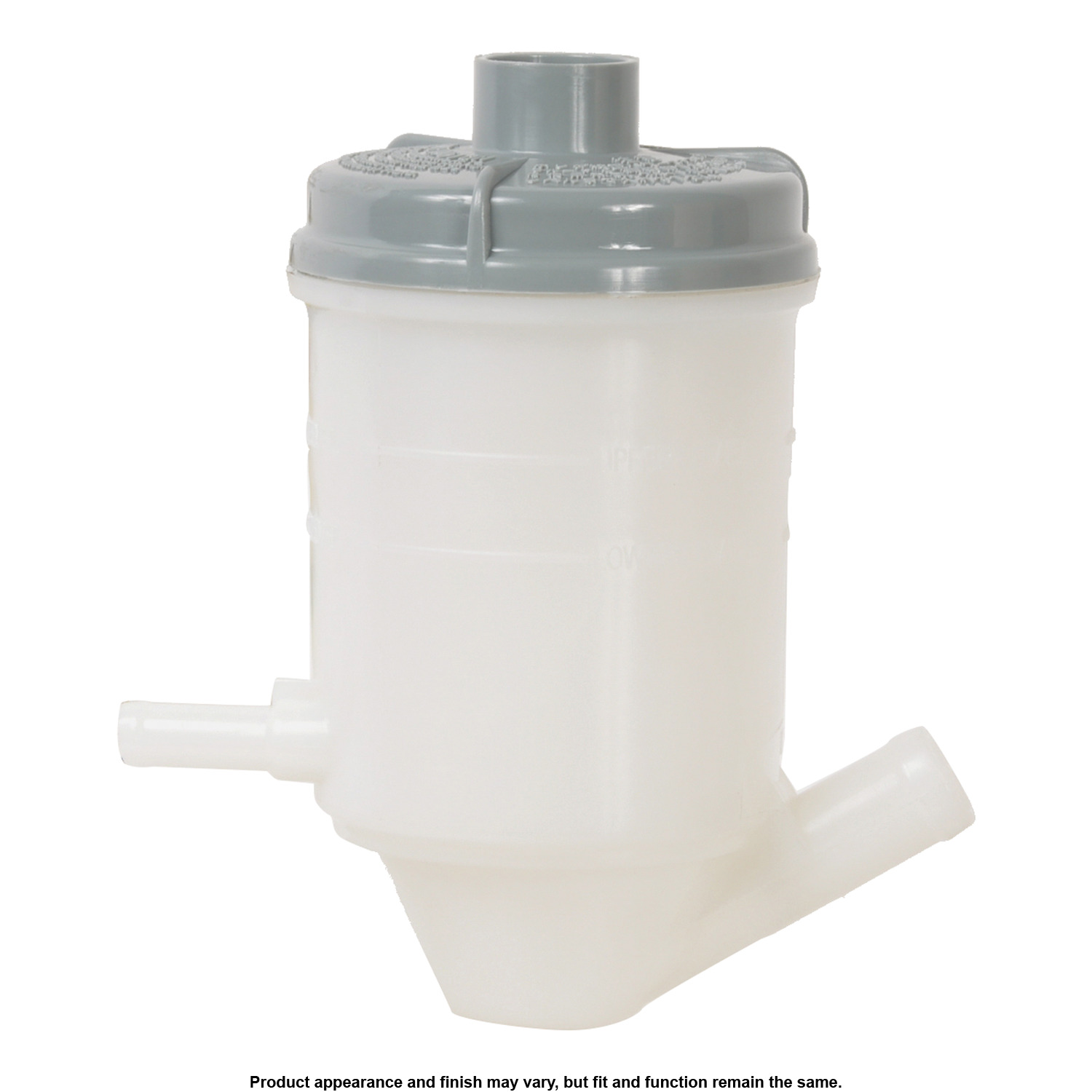
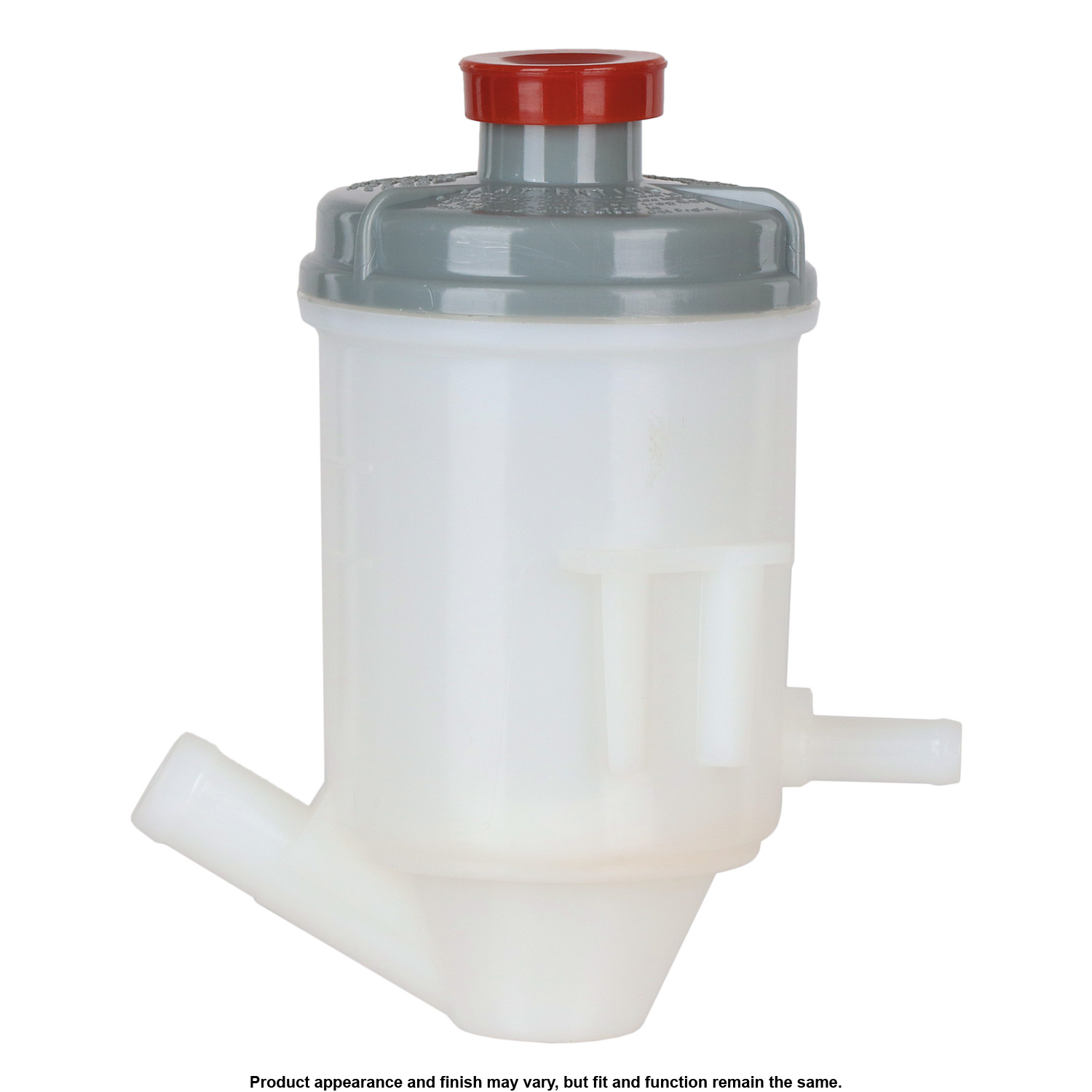
| Features and Benefits | Resistant to cracking caused by the high temperatures in the engine compartment |
| Hardware Included | No |
| Is or contains a bulb? | No |
| FAQ_Q1 | What caused my original reservoir to leak? |
| FAQ_Q3 | The fluid is foaming in the replacement reservoir. Why? |
| FAQ_Q2 | Should I replace the power steering system hoses and fluid? |
| Is Prop Sixty Five Affected | No |
| Power Steering Reservoir Type | Remote |
| Mounting Bracket Included | No |
| Package Contents | Reservoir |
| Is the item CARB affected | No |
| Does it require SDS | No |
| First Application Year | 2001 |
| Fittings Included | No |
| Cap Included | No |
| Is item a chemical? | No |
| SDS Required | No |
| Finish | Plastic Dull Finish |
| Width | 82.45 |
| FAQs | Where is the power steering pump reservoir typically located on a vehicle? |
| Remote Mounted | Yes |
| Is Or Contains A Battery | No |
| Product Condition | New |
| Is the item CARB affected? | No |
| Color | White |
| Power Steering Reservoir Color/Finish | White |
| Mounting Hardware Included | No |
| Material | Plastic |
| Contains Electronic Components? | No |
| FAA_A4 | Depending on the vehicle, the reservoir can be located behind the engine on the firewall, mounted on an inner fender adjacent to the pump or bracketed near or directly on the power steering pump. |
| FAA_A2 | Most manufacturers recommend replacing hoses approximately every 4 years, depending on the use of the vehicle and condition of the system. The external condition of the hose may be an indicator for replacement, however it is best to validate by inspecting fluid condition and color. If debris is seen in the fluid and the fluid color is grey or black, the likely source of the debris is an internal breakdown of hoses. Refer to a vehicle specific O.E. service manual for steps on replacing hoses and fluid. |
| FAA_A3 | Foaming fluid is caused by air that is trapped in the power steering system. The air pockets must be bled from the system. Air that is left in the power steering system can lead to noise and cavitation of the fluid which eventually causes damage to the pump. |
| Power Steering Cap Included | No |
| FAA_A1 | One common cause for leaks is cracking on the main body of the reservoir or hose tubes due to prolonged exposure to engine compartment temperatures and vibration. Check the outlet and fluid return hoses attached to the reservoir to determine if they are the cause of the leak. |
| Is Or Contains A Bulb | No |
| Mounting Brackets Included | No |
| Length | 5.423 |
| Prop 65 | NO |
| Is or contains a battery? | No |
| Reservoir Material | Plastic |
| Contains Electronic Components | No |
| E-Waste | No |
| Is Item A Chemical | No |
| Part Terminology | Power Steering Reservoir |
